
.png)
.png)
.png)
.png)
.png)
.png)
 Yachts Sold
Bavaria 46 Cruiser Yacht Sold
Bavaria 46 Cruiser Sold by Network Yacht Brokers
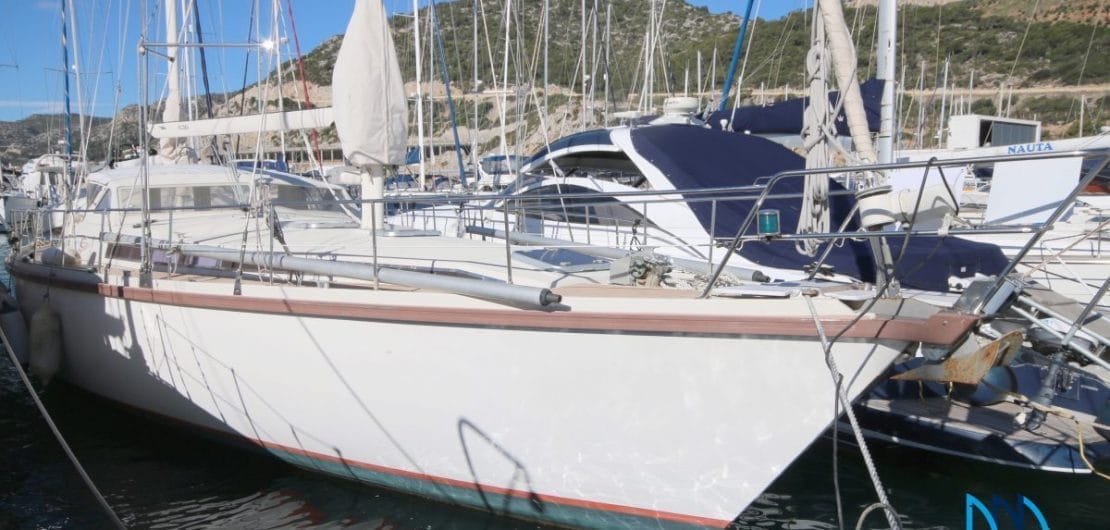
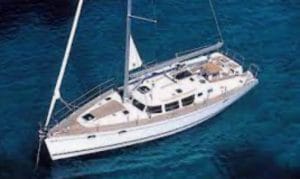
Bavaria 46 Cruiser Yacht. She is the four-cabin version offering plenty of space for living aboard. Bavaria was clever in using space, including a bright modern interior. That’s a natural step forward from earlier Bavaria Yachts. Yacht designers intended to gain a very high comfort factor when designing this beautiful yacht. The Bavaria 46 Cruising Yacht has an easy to handled sail plan. The decks are clear, making her an absolute pleasure to sail. She has a surprisingly good turn of speed.

This Bavarian 46 underwent an extensive refit in recent years, including but not limited to new standing rigging in 2013 and a new anchor and chain in 2020. The dinghy and liferaft were replaced in 2018, and she had a new windlass in 2015. Topping all that off was the replacement of the galley oven in 2015.


ACCOMMODATION, Bavaria 46 Yacht
- Berths-doubles/singles: 3 & 1
- Cabins: 4
- Headroom: 2m
- New Upholstery, Mattress, and Curtains in 2016
- Chart Table
- Saloon Table
- Hanging Locker(s)
- Wet Locker(s)
- Heads: 2
- Toilet Type: Manual
- 2 Burner Hob
- New oven in 2015
- Grill
- Refrigerator: 2x Electric + ice-esky built-in cockpit Cockpit table
- New water pressure pump in 2020
- The hot water system (Helios) replaced in 2016
- Replacement of door locks in 2016
- The Interior vanished in the saloon and cabins in 2016
- Replaced DVD player: CD Player (New 2019)
- New wardrobe doors in 2020
- Charts included
- Cutlery and Crockery are included
- Blankets & Linens
DIMENSIONS
- Length Over All: 14.4O m
- Length of the Water Line: 12.22 m
- Beam: 4.35 m
- Draft: 1.85 m fin keel
- Displacement: 11.000 kgs
- Standing Headroom: 2 m
- Sail area: 93.74 MSq
CONSTRUCTION
- Builder: Bavaria Yachts (GERMANY)
- Model: 46 Cruiser Yacht
- Passenger capacity: 10
- Hull colour: White
- Hull/keel Formation: Fin
- Rudder Type: Spade
- Steering Type: Twin Wheels
- Overhaul of the Steering Wheels was in 2015
- Deck materials: GRP & Teak in the Cockpit
- Fuel capacity: 190 L
- Water capacity: 460 L
MECHANICAL
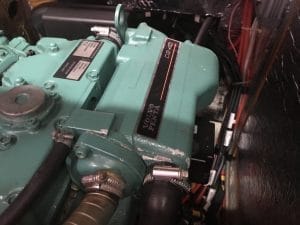
- Main engine manufacturer: Volvo Penta
- Main engine power: 55 hp
- The engine and gearbox were overhauled in 2015
- Drive Type: Shaft
- Propeller Type: 3 Blade New 2016
- Cooling: Fresh Water
- Main engine fuel: Diesel
- Cruising speed: 8 knots
- Maximum speed: 10 knots
ELECTRICAL
- Engine battery: 110 AMP
- Domestic battery: 2 x 140 AMP Green Energy (New 2019)
- Inverter for small appliances
- Shorepower system
- Shorepower cable
RIG AND SAILS
- Standing Rigging – age: New 2014
- Running Rigging – age: New 2014
- Mainsail Reefing: In-Mast
- Stack-pack / Lazy jacks
- Furling Headsail
SAILS
- Main: In-Mast Sail – New 2020
- Genoa: Furling Genoa – 2014
DECK GEAR
- Primary Anchor: Delta (New 2020)
- Anchor Chain / Warp: 65m (New 2020)
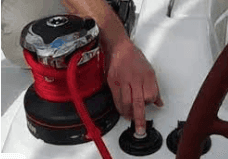
- Anchor Windlass: Lofrans Tigres 1500W (New 2015)
- Swim ladder
- Cockpit / Deck Shower
- Cockpit Table
- Cockpit Lockers
- Cockpit cushions
- Passarelle: Stainless Steel & Teak
NAVIGATION EQUIPMENT
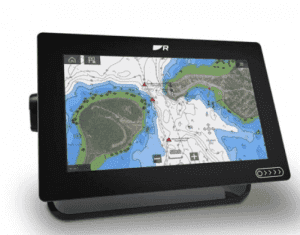
- Chart Plotter: GARMIN GPS map 182C
- GPS: Autohelm
- Autopilot
- VHF Radio
- Log / Speed
- Wind Instrument
CANVAS
- Sprayhood
- Bimini: New Bimini 2015
- Cockpit Cushions
SAFETY EQUIPMENT
- Life raft: 10 PAX New 2018
- Flares
- EPIRB
- Bilge Pump:1 x Manual
- Bilge Pumps:2 x Electric
DINGHY
- New Dinghy 2018
- Dinghy engine: YAMAHA 4HP-4 STROKE 2020
- Please contact us for more information
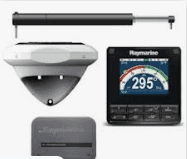 A modern-quality autopilot is worth its weight in gold (as they say). If you are sailing short-handed, then it is almost essential on a reasonable-size fin keel yacht. I can argue an exception if you sail a long-keel yacht. It is possible to set sails, add a little weather helm and keep on trucking(as they say). Locking the helm will require navigational input over time, but it’s great fun!
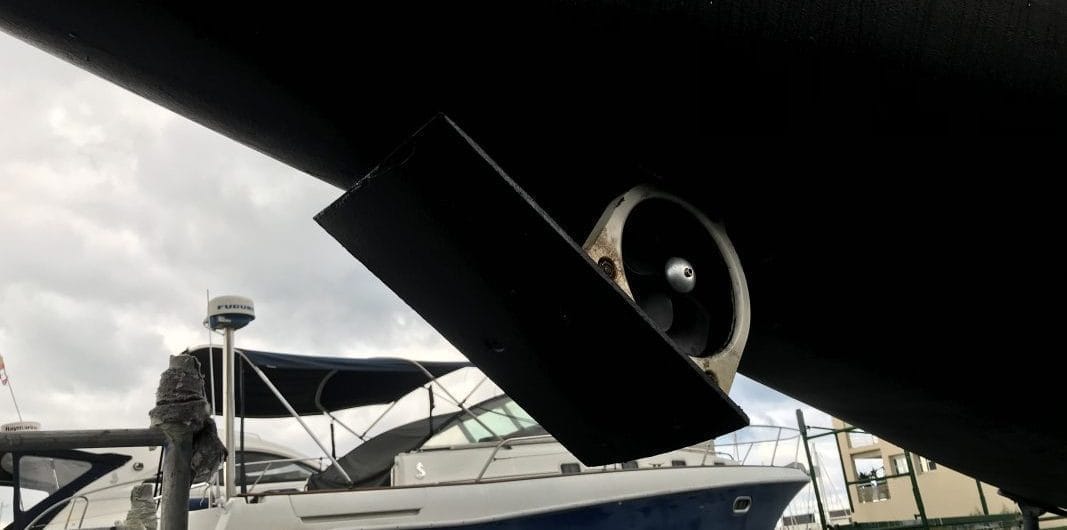
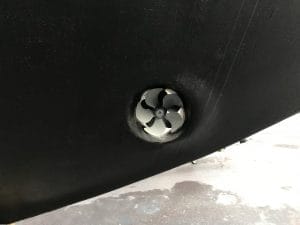
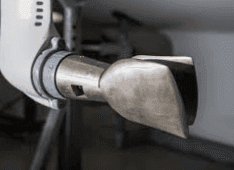 I selected reverse when sailing for years to save wear and tear on my yacht gearbox. They said that the components inside the gearbox are fixed and wearing (sounds reasonable) because the prop stops spinning. They also say that a fixed propellor creates less drag than a free-spinning prop (no idea about that). Then I met some people who sailed the Atlantic having to replace a gearbox on a reasonably modern yacht. Selecting reverse to lock the propellor over long periods puts a strain on the gearbox clutch that can cause It to wear out (wow, I never knew that). The solution, if you are concerned, is a folding propellor. It’s a lovely thing to have, and a buyer for your yacht will be happy you invested money in one.
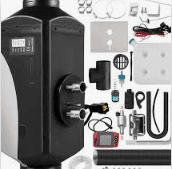
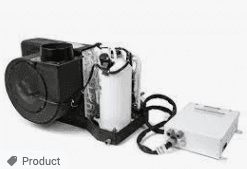 Perhaps the Dyson fan will work well in smaller boats, but Air conditioning with a reverse cycle heat setting will transform the pleasure of sailing when you can hook up to shore supply. Lots of Mediterranean Marinas do not charge for electricity. They see it as part of a package deal. So from the moment you arrive until you depart, you can keep the yacht chilled to a perfect temperature if you are in a marina. Just like heating, Air conditioning will transform your boating experience.
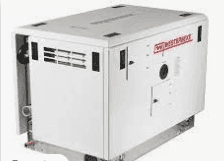 Before you buy a yacht, you must know that ff you plan to spend a lot of time at anchor and are spicing up a new 15-metre-plus yacht, then a factory fit generator might be on your list of extras. It only made my list because I wanted to comment on the difference between fitting a low-cost aftersales unit and a proper factory-integrated unit. A Lot of research is needed if you are going down the generator installation route. In my experience, few companies can save money on a factory-installed unit.
 Clients often ask me about how quickly a yacht might take to sell. This is a very sensible question but rather complex to answer. However, I can first answer by comparing yachts against powerboats.
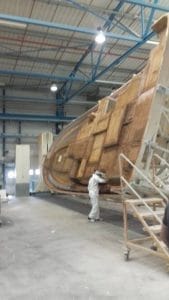 Let me explain the thinking behind the statement above. For example, let’s take the Hamble in the UK. This is a place where buyers can find every type of boat. However, if I was interested in buying a racing yacht, the Hamble in England might be a good starting point to investigate racing yachts. The Hamble is the centre of the UK Marine industry and where many companies support sailing as a sport. On the other hand, if I was looking to purchase a superyacht, I might contact Yach Brokers along the southern French coast in or around Monaco.
 We hadn’t been open for business long in Spain when an enquiry came in from North America. I was fascinated by a young Canadian couple’s mindset. They inquired about a 15-metre sailing yacht we had just put for sale on brokerage in Barcelona. They planned to fly to Barcelona (they said it looked like an easy place to get to with lots of boats). They would buy a one-way ticket and sail the yacht back to Canada after first learning to sail in the Mediterranean, where sailing was easy. Wow, the logic was astonishing. Look at the Globe and the Mediterainina was nothing more than a big lake. Plenty of places to visit. Perhaps they would spend a summer in Europe before crossing the ocean. Put that way, It sounds fantastic!

 We have a beautiful

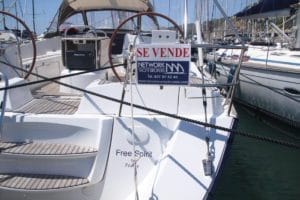
 for a place in the sun. Great for weekends out in the bay or exploring the coast. Made by Doqueve, a respected Spanish boat builder, the yacht has been in Spain since purchased new. All the papers are correct, with VAT documents as required. The current owner bought the yacht in December 2019 and has gone out sailing only once since then. She has been used as an apartment in the Mediterainina for the rest of the time. The engine was last serviced in October 2019—antifouling and hull check in May 2021. The owner is selling because he wants to buy a bigger boat. Available for viewings in Port Ginesta.


 brokerage. Generally, yacht values have increased during the last six months. This is not the case for vessels that have not been maintained. Buyers want to see service history more than anything, so if you’re asking for the top-price boat, please ensure maintenance is up to date, and then you stand a good chance of selling.
 Many years ago, we took a beautiful Jeanneau 43 DS Yacht in exchange for a new Jeanneau 47 Ds. The 43 was in Palma Majorca, Spain. Part of the deal being we collected the PX and shipped it back to the base in North Wales. The deal was done, so we flew to Mallorca to collect the yacht. We sailed her back to Northern Spain, where she was collected by truck and delivered to the UK.
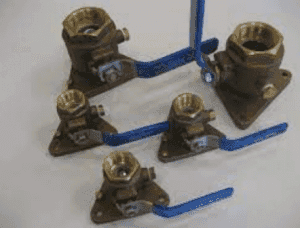 the fault more quickly was leaving the marina. It was impossible not to motor against a strong incoming tide until fifteen minutes after leaving the berth. One might motor for half an hour on a bad day until sufficient water was under the keel, allowing the engine to be extinguished. My point is the engine was always running, so it was difficult to isolate the problem. The strange thing was that when the yacht sat for extended periods, the bilge stayed bone dry.
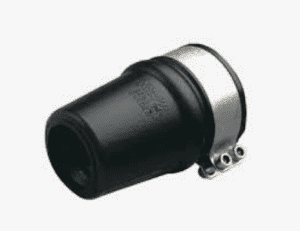 little, but I had to find the cause. Another conversation with the old owner confirmed my suspicions that this problem had been around since the yacht was built. I had paperwork evidence that the flexy exhaust system had been changed under warranty. This had not resolved the issue.
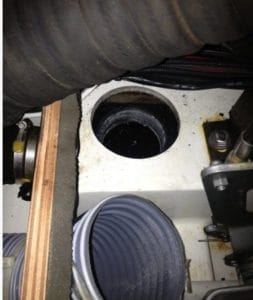 silencer is not visible without removing even more floor sections, and what a job that was! Not convinced it was leaking, eventually, we decided to remove it to examine the underside of the engine. It’s not an easy job to get it out, but finally, out she came. Absolutely nothing to see!
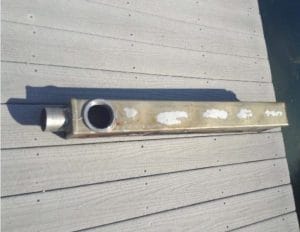 Now we get to the point of telling you this story. As it happens, the mystery was not confined to our yacht. I helped another dealer who was having a nightmare with a client. The same sort of problem, a tiny leak, but not when the yacht sat idle, so it was tough to diagnose the problem.
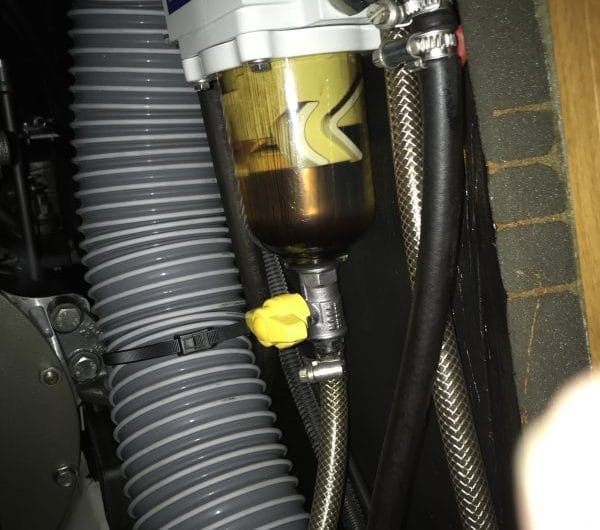
 market; it takes little research to find a good one. Diesel bug treatment is not a long-term fix, so you must know if the problem reoccurs. My suggestion will warn you about diesel bug infection and save you the inconvenience of sampling fuel during your daily engine checks for water contamination, the other major cause of boating breakdowns.
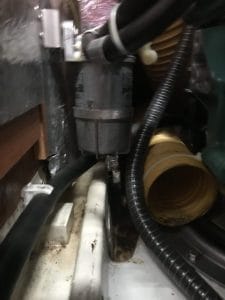 If you are happy to sample a small amount of fuel from a canister-type filter, that’s your choice, but remember, every time you open the fuel system to drain down a sample, you will potentially allow air into the fuel system (and that’s not good). The other big no-no about taking a sample is Diesel stinks; it’s like fixing your bike in your home’s kitchen. To see half a litre of fuel without disturbing it or contaminating the results within a glass bowl is so simple. This is the fastest way to ensure you have no worries about the fuel supply on your boat. A glass bowl water trap can also be the first item to look at if your engine starts to stutter. If you get water in the fuel, it will show up in seconds.
