.png)
.png)
.png)
.png)
.png)
.png)
Second Hand Boats: How to Choose the Best for…
Buying a pre-owned boat can be one of the most exciting decisions for boating enthusiasts. Whether you’re looking for a sailboat for your next adventures at sea or a speedboat for family weekends, making the right choice is crucial to enjoying a hassle-free experience.
In this article, we will explore how to evaluate the condition of a boat, what questions you should ask the seller and why Network Yacht Brokers is your best ally in this adventure.
Opting for a second-hand boat has multiple advantages:
- Economic Savings: Used boats are often more affordable than new boats, allowing you to purchase a larger or better equipped boat for a competitive price.
- Greater Variety: You will find discontinued models or customizations that the new ones do not offer.
- Controlled Devaluation: Unlike new boats, which lose value rapidly, a used boat tends to maintain a more stable price.
- Immediate Availability: By buying a used boat, you can start sailing much sooner than if you order a new one.
However, buying a used boat requires attention to detail. Here is a complete guide to help you through this process.
1. Evaluating the Condition of a Vessel
External Inspection
Start with the helmet, as it is one of the most important components:
- Look for cracks, dents or signs of repair that may indicate previous damage.
- Check the condition of the antifouling and whether the hull has been recently maintained.
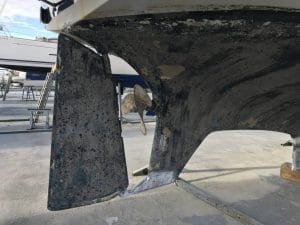
- Check the integrity of the rudder and keel.
Interior Inspection
The interior should be functional and comfortable:
- Check for moisture, mold, mildew or odors, as these may be indicators of structural or watertightness problems.
- Verify the condition of furniture, cabins, kitchen and bathroom.
- Make sure the electrical system is in good condition and functional.
Engine and Propulsion Systems
- Check the hours of use of the engine. A well-maintained engine is more important than one with low hours.
- Ask for recent maintenance records, including oil changes and filter checks.
- Check for oil or fuel leaks.
Sails and Rigging (For Sailboats)
- Inspect the sails for tears or wear.
- Checks the condition of the standing and running rigging, as well as the genoa and mainsail furlers.
2. Key Questions to Ask the Seller
Ownership and Use History
- How many owners has the boat had?
- What has it been mainly used for (coastal navigation, cruising, racing)?
- Have you been out of the water for a long time?
Maintenance and Repairs
- What type of maintenance has been performed on a regular basis?
- Have you suffered any damage or major repairs?
- When was the last antifouling done?
Documentation Status
- Is all documentation in order?
- Does the vessel have any outstanding debts or charges?
- Are you registered in a country that complies with local and international regulations?
Conditions and Warranties
- Are there guarantees on the motor, sails or structure?
- Is it possible to do a navigation test before purchasing?
Additional questions, such as those related to equipment and accessories (navigation systems, safety, comfort), are also essential depending on your needs.
At Network Yacht Brokerswe know that buying a used boat is not an easy decision. That is why we offer a comprehensive and professional experience that guarantees security, transparency and personalized service.
Why Choose Us
Extensive Boat Network: We have access to an extensive network of pre-owned boats, from sailboats to powerboats, so you’ll find exactly what you’re looking for.
Professional Inspection: We have a team of experts who inspect each boat, identifying possible problems and making sure that each boat is in optimal condition.
Comprehensive advice: We accompany you at every stage of the process, from the initial search to the closing of the transaction, making sure that everything is done in accordance with the regulations.
Total Transparency: We make sure that all documentation is in order, offering you the peace of mind of making a secure purchase.
Personalized Service: We tailor our approach to your specific needs, whether you are a first-time buyer or an experienced sailor looking for an upgrade.

4. Tips for a Successful Purchase
Define your Needs
Before starting the search, be clear about what you will use the boat for:
- Do you want a sailboat for sailing or a speedboat for sporting activities?
- What size do you need to comfortably accommodate crew members?
- What is your budget, including maintenance expenses?
Take A Navigation Test
Do not buy a boat without testing it on the water. This will allow you to verify:
- How the engine and navigation systems respond.
- If there are abnormal vibrations or suspicious noises.
- Stability and handling in different conditions.
It has a Nautical Surveyor
A marine surveyor can detect problems that are not obvious to the untrained eye, such as corrosion, structural defects or poorly maintained systems.
Negotiate Price with Confidence
After the inspection, use the findings to negotiate a fair price. At Network Yacht Brokers, we help both parties reach a satisfactory agreement.


Conclusion
At Network Yacht Brokers Barcelona, we are here to make this process simple, transparent and successful. With years of experience in yacht brokerage, we have helped countless yachtsmen find the boat of their dreams, always with the peace of mind of knowing that they are making a safe investment.
Are you ready to take the first step towards your next adventure at sea? Contact us today and discover why we are leaders in buying and selling used boats in Barcelona.
Phone: 937 97 82 40
E-mail: info@nybbarcelona.com
Address: Puerto Ginesta Local 810, 08860 Castelldefels, Barcelona, Spain
Your next boat is waiting for you, don’t let it pass you by!




















 A modern-quality autopilot is worth its weight in gold (as they say). If you are sailing short-handed, then it is almost essential on a reasonable-size fin keel yacht. I can argue an exception if you sail a long-keel yacht. It is possible to set sails, add a little weather helm and keep on trucking(as they say). Locking the helm will require navigational input over time, but it’s great fun!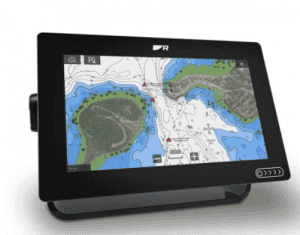
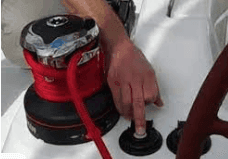
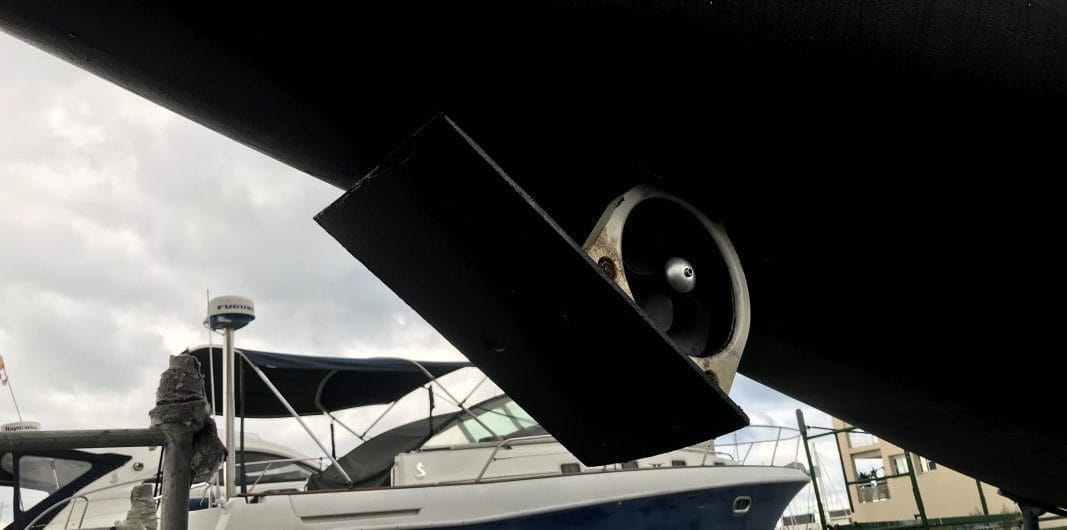
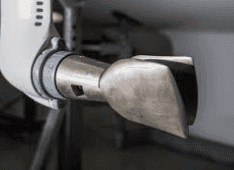 I selected reverse when sailing for years to save wear and tear on my yacht gearbox. They said that the components inside the gearbox are fixed and wearing (sounds reasonable) because the prop stops spinning. They also say that a fixed propellor creates less drag than a free-spinning prop (no idea about that). Then I met some people who sailed the Atlantic having to replace a gearbox on a reasonably modern yacht. Selecting reverse to lock the propellor over long periods puts a strain on the gearbox clutch that can cause It to wear out (wow, I never knew that). The solution, if you are concerned, is a folding propellor. It’s a lovely thing to have, and a buyer for your yacht will be happy you invested money in one.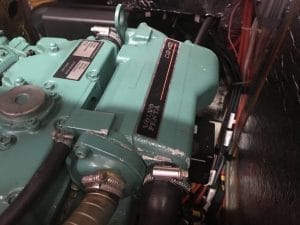
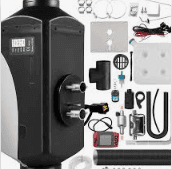
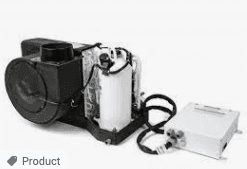 Perhaps the Dyson fan will work well in smaller boats, but Air conditioning with a reverse cycle heat setting will transform the pleasure of sailing when you can hook up to shore supply. Lots of Mediterranean Marinas do not charge for electricity. They see it as part of a package deal. So from the moment you arrive until you depart, you can keep the yacht chilled to a perfect temperature if you are in a marina. Just like heating, Air conditioning will transform your boating experience.
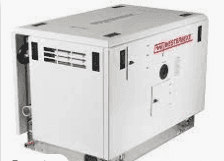 Before you buy a yacht, you must know that ff you plan to spend a lot of time at anchor and are spicing up a new 15-metre-plus yacht, then a factory fit generator might be on your list of extras. It only made my list because I wanted to comment on the difference between fitting a low-cost aftersales unit and a proper factory-integrated unit. A Lot of research is needed if you are going down the generator installation route. In my experience, few companies can save money on a factory-installed unit.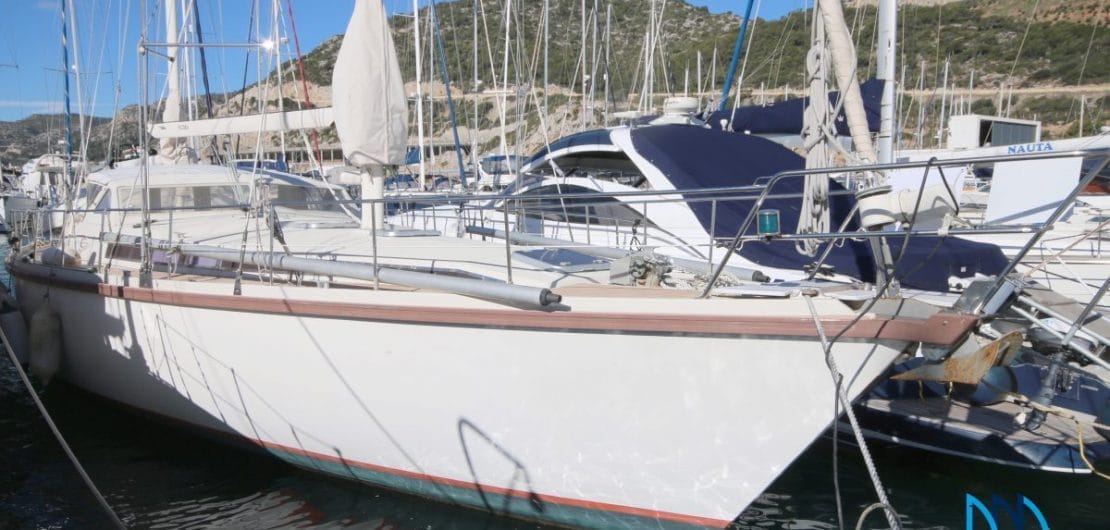
 Let me explain the thinking behind the statement above. For example, let’s take the Hamble in the UK. This is a place where buyers can find every type of boat. However, if I was interested in buying a racing yacht, the Hamble in England might be a good starting point to investigate racing yachts. The Hamble is the centre of the UK Marine industry and where many companies support sailing as a sport. On the other hand, if I was looking to purchase a superyacht, I might contact Yach Brokers along the southern French coast in or around Monaco.
 We hadn’t been open for business long in Spain when an enquiry came in from North America. I was fascinated by a young Canadian couple’s mindset. They inquired about a 15-metre sailing yacht we had just put for sale on brokerage in Barcelona. They planned to fly to Barcelona (they said it looked like an easy place to get to with lots of boats). They would buy a one-way ticket and sail the yacht back to Canada after first learning to sail in the Mediterranean, where sailing was easy. Wow, the logic was astonishing. Look at the Globe and the Mediterainina was nothing more than a big lake. Plenty of places to visit. Perhaps they would spend a summer in Europe before crossing the ocean. Put that way, It sounds fantastic!
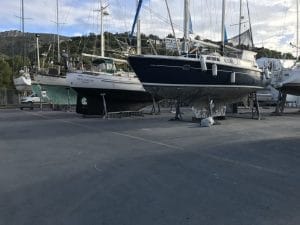
 Many years ago, we took a beautiful Jeanneau 43 DS Yacht in exchange for a new Jeanneau 47 Ds. The 43 was in Palma Majorca, Spain. Part of the deal being we collected the PX and shipped it back to the base in North Wales. The deal was done, so we flew to Mallorca to collect the yacht. We sailed her back to Northern Spain, where she was collected by truck and delivered to the UK.
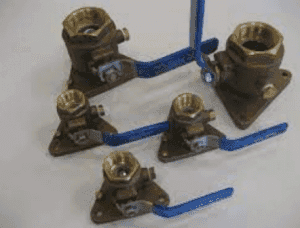 the fault more quickly was leaving the marina. It was impossible not to motor against a strong incoming tide until fifteen minutes after leaving the berth. One might motor for half an hour on a bad day until sufficient water was under the keel, allowing the engine to be extinguished. My point is the engine was always running, so it was difficult to isolate the problem. The strange thing was that when the yacht sat for extended periods, the bilge stayed bone dry.
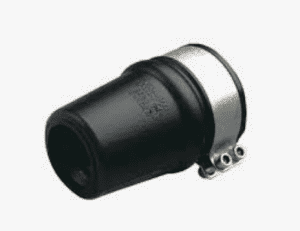 little, but I had to find the cause. Another conversation with the old owner confirmed my suspicions that this problem had been around since the yacht was built. I had paperwork evidence that the flexy exhaust system had been changed under warranty. This had not resolved the issue.
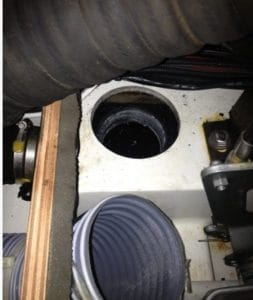 silencer is not visible without removing even more floor sections, and what a job that was! Not convinced it was leaking, eventually, we decided to remove it to examine the underside of the engine. It’s not an easy job to get it out, but finally, out she came. Absolutely nothing to see!
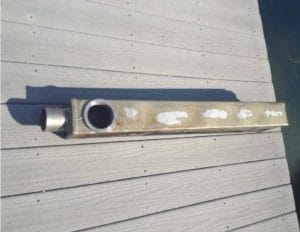 Now we get to the point of telling you this story. As it happens, the mystery was not confined to our yacht. I helped another dealer who was having a nightmare with a client. The same sort of problem, a tiny leak, but not when the yacht sat idle, so it was tough to diagnose the problem.